
STARTING FREELANCE PHOTOGRAPHY
Picking up a camera is one thing. Turning that into a career is a whole different story. Freelance photography is exciting, creative, and genuinely rewarding, but it also comes with a learning curve that goes way beyond knowing your aperture settings. If you’re thinking about making the leap, here’s what you need to know before you start.
SELL YOUR SKILLS, NOT JUST YOUR PHOTOS
When you’re marketing yourself as a photographer, the photos are just part of the picture. What clients are actually paying for is your process. That means your ability to conceptualize a shoot, negotiate rates confidently, and show up as someone professional and easy to work with.
As you start building experience, use it. Even a handful of completed gigs gives you something to point to when a potential client asks, “Why should I hire you?” It shows you know how the job works, and it gives them confidence in what you’ll deliver.
RUNNING THE BUSINESS SIDE
Here’s something nobody really warns you about: when you go freelance, you are the entire operation. Scheduling, equipment tracking, client communication, invoicing, it all falls on you.
That does not have to be overwhelming. Set a working schedule and stick to it. Even a few focused hours a day can keep things moving without letting work take over your personal time. Discipline is everything here, and the good news is you are your own boss, so you get to build the structure that actually works for you.
TAKING GIGS AND BUILDING MOMENTUM
Everyone starts small. That first gig might be small in scope and small in pay, but take it seriously anyway. Every client you work with is a potential referral, and word of mouth is one of the most powerful tools in freelancing.
That said, do not take on more than you can handle. A packed calendar looks great until the quality of your work starts to slip or you burn out completely. Pace yourself. The career is a long game.
YOUR PORTFOLIO: MAKE EVERY SHOT COUNT
Your portfolio is the first impression. Make it a good one.
You do not need hundreds of photos in there, you need your best ones. A tight, high-quality portfolio tells clients that you consistently deliver strong work. A large portfolio full of inconsistent shots tells them the opposite. Choose quality every time.
KEEP LEARNING
No matter where you are in your photography journey, there is always something new to pick up. Attend workshops. Show up to photography events, fairs, or even public shoots. Connect with other photographers. The industry is full of people willing to share what they know, and even one fresh perspective can change the way you approach your work.
FIND YOUR NICHE (OR LET IT FIND YOU)
Specializing in a specific type of photography, portraits, events, products, street, and so on, can really help you stand out. But do not stress too hard about locking it in right away. Some of the best photographers in the industry landed in their niche by accident, by trying something outside their comfort zone and realizing they were really good at it.
Stay open. Experiment. You might surprise yourself.
DEALING WITH DIFFICULT CLIENTS
Difficult clients are part of the job. Here is how to handle the most common situations:
- Rushed deadlines: Usually a result of poor planning on the client’s end. Do not just say yes to an unrealistic timeline. Negotiate a schedule that works for both of you, and be honest about what rushing will cost in terms of quality.
- Lowball offers: Know what your work is worth and hold that line. Break down your pricing so clients understand what they are paying for. And if they still are not willing to pay fairly, it is okay to walk away.
- Revision disputes: Always have a contract. Spell out exactly how many revisions are included, and document everything as the project moves along. Any work beyond what was agreed on should cost extra, and you have every right to charge for it.
You can be firm on all of this and still treat clients with respect. Knowing your worth and maintaining your professionalism are not opposites.
START SIMPLE, GROW FROM THERE
You do not need a full studio setup to get started. Work with what you have. A good camera and some solid editing skills can take you further than you think. When a shoot calls for gear you do not own yet, consider renting before buying. It lets you test what you actually need before making the investment.
ONE LAST THING: KNOW WHY YOU ARE DOING THIS
Ask yourself honestly whether you are doing this because you love photography or because you want the income. There is no wrong answer, but it matters. Chasing gigs purely for money can burn out the passion that got you interested in the first place. The sweet spot is finding a way to do both, making a living from something you genuinely care about.
Stay grounded in that, and the rest becomes a lot easier to manage.
Freelance photography is not just pointing a camera and hoping for the best. It takes preparation, people skills, and a real commitment to the craft. But if you put in the work and stay consistent, it is absolutely a career worth building.
To learn more about all of these topics in full detail, check out the complete guidebook, Phoguide.
LATEST ARTICLES
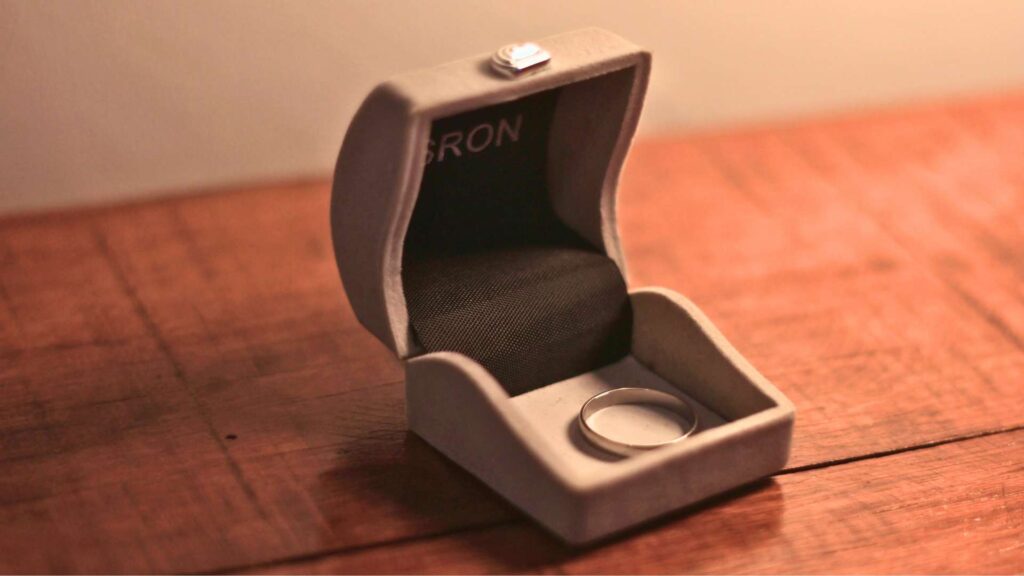
WEDDING PHOTOGRAPHY IN THE PHILIPPINES
Manila-based photographer Rico Andaya shares a his look at the realities of the wedding industry in the Philippines.
APRIL 3, 2026
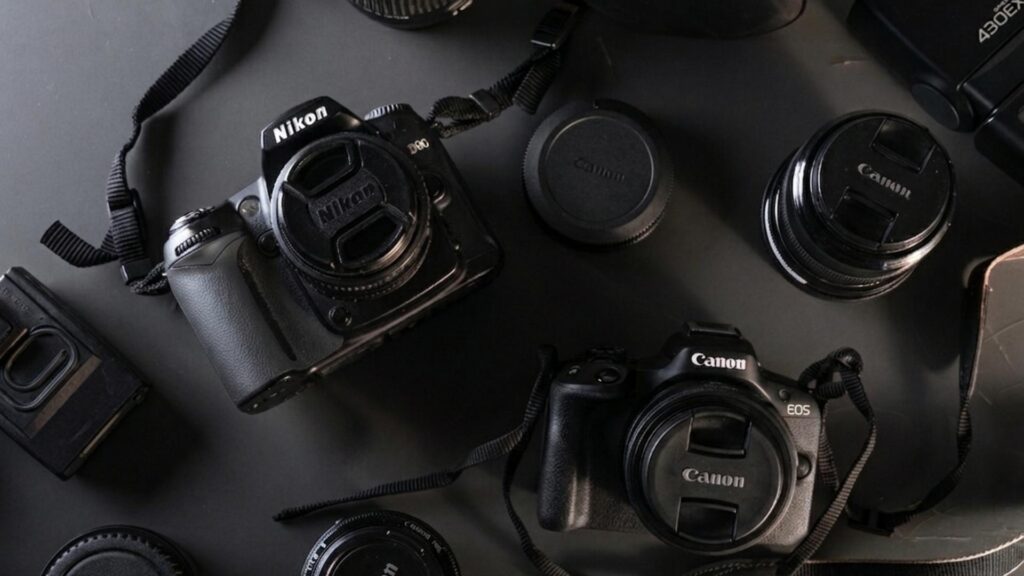
EQUIPMENT RECOMMENDATIONS
Suha Studio founder Danica Lukban shares her essential equipment reccomendations necessary for beginners.
APRIL 3, 2026
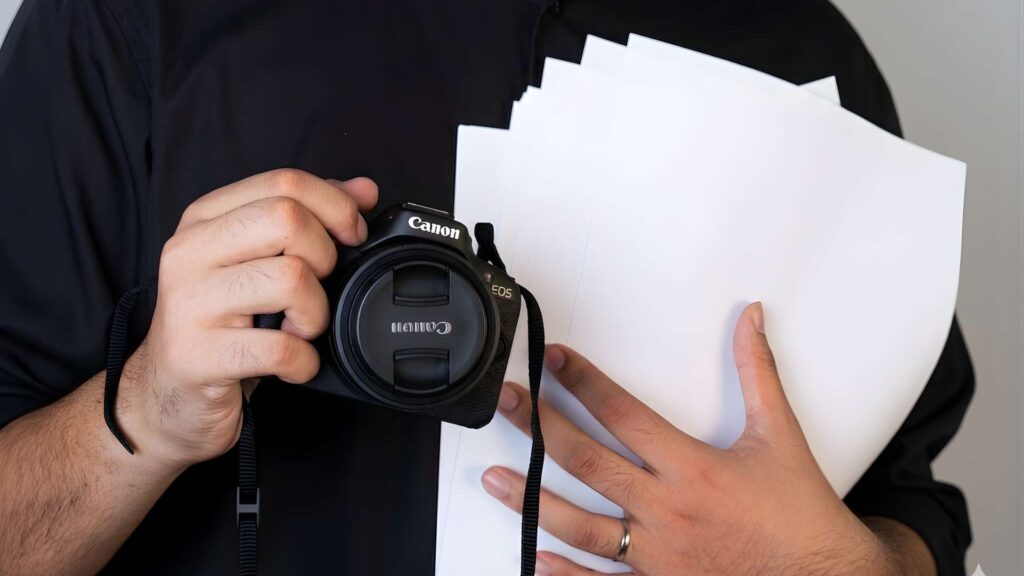
HOW TO START A BUSINESS IN PHOTOGRAPHY
Photography may start as a passion but as a business means work and this guide will walk you through everything you need.