
HOW TO START A BUSINESS IN PHOTOGRAPHY
So you’ve been thinking about turning your passion for photography into something more. Maybe you’ve been shooting for a while, building your portfolio, and now the idea of running your own studio is starting to feel real. But where do you even begin?
But here’s the truth: running a photography business is a whole different world from just taking great photos. There are clients to manage, bookings to chase, taxes to file, and a brand to build. It’s exciting, but it’s also a lot.
If you’re thinking about making that leap, this guide will walk you through the key things you need to get started on the right foot.
FIND YOUR NICHE
Before anything else, you need to figure out what kind of photography you want to focus on.
Some photographers go broad at first, and that’s completely fine. Shooting different types of work builds your skills faster and exposes you to different clients and environments. But eventually, you’ll want to narrow things down.
In the Philippines, some of the most in-demand niches are:
- Weddings and prenups
- Events (corporate, birthdays, debuts)
- Graduation portraits
- Product photography
- Real estate photography
That said, don’t force yourself into a niche just because it’s popular. The better question to ask is: Is there a market for what I love shooting, and can it support me long-term?
GET THE RIGHT EQUIPMENT
Once you have a direction, your gear decisions become a lot clearer.
The camera body matters less than most beginners think. What really makes the difference is your lenses and lighting. A 24-70mm zoom and a 70-200mm telephoto, for example, are solid starting points for wedding photographers. If you plan to do studio work, you’ll eventually need to think about the added costs and permits that come with running a physical space.
Buy for your niche. Don’t buy everything at once.
BUILD YOUR BRAND
Your brand is more than a logo. It’s how people recognize and remember you.
- Position yourself clearly: Instead of just saying “I’m an events photographer,” try something like “I capture candid, story-driven moments at events.” The more specific you are, the easier it is for the right clients to find you.
- Define your style: Your color grading, shooting approach, and composition are all part of your visual identity. Light and airy? Dark and moody? Candid or posed? Pick a direction and stay consistent with it. Over time, people should recognize your work before they even see your name.
- Curate your portfolio: Only post work that reflects the style and niche you want to be known for. A smaller, well-put-together portfolio will always beat a large but inconsistent one.
- Price with purpose: Be honest about where your skills are right now. Starting lower while you build experience is okay, just make sure your pricing covers your costs like editing software, storage, and equipment upkeep. As your skills grow, your rates should grow with them.
LEARN HOW TO SELL
This is the part most photographers skip, and it’s one of the biggest reasons creative businesses struggle.
You’re not just selling photos. You’re selling memories, confidence, and real value, whether that’s a couple’s wedding day or a brand’s product images. When you understand that, it becomes easier to talk about your work and your price.
A few things that help:
- Lead the conversation: When someone inquires, don’t ask “What’s your budget?” right away. Instead, introduce yourself and your package confidently. “Hi! I offer a graduation package at P5,000 which includes…” This shows you know your value.
- Present your price with context: Never just drop a number. Break down what’s included: shoot duration, number of edited photos, turnaround time. This helps clients understand what they’re actually paying for.
- Handle negotiations smartly: If a client wants a lower price, don’t just discount. Adjust the package instead. Fewer photos, shorter shoot time. This keeps your value intact while still giving them flexibility.
- Stay in touch after the shoot: Update clients on your editing progress. Send previews. Ask for feedback. A good post-shoot experience is what turns a one-time client into a repeat client and gets you referrals.
MARKET YOURSELF CONSISTENTLY
Good work alone won’t always bring in clients. You have to put yourself out there.
- Know who you’re talking to: A wedding photographer’s content looks and sounds different from a product photographer’s. Match your tone, visuals, and messaging to the clients you want to attract.
- Use social media smartly: Instagram is great for a polished portfolio. Facebook works well for local reach and referrals. TikTok can get you visibility through behind-the-scenes content. Use the platforms where your ideal clients actually spend time.
- Don’t rely only on social media: A personal website adds credibility and gives you a space you fully own. Attending local events, fairs, and conventions can also open doors that the internet sometimes can’t.
- Word of mouth is still one of the best tools you have: One happy client can lead to multiple bookings through referrals alone. Treat every shoot like it matters, because it does.
KNOW THE LEGAL SIDE
When your bookings become consistent and clients start asking for official receipts, it’s time to make things official.
In the Philippines, that means registering with:
- DTI: for your business name under a sole proprietorship
- BIR: for your tax registration and authority to issue official receipts
- Your local LGU: for barangay clearance and a mayor’s permit, especially if you’re running a studio
Once you’re registered, keep up with your responsibilities: filing taxes, issuing receipts, and keeping track of your income and expenses. If the numbers side of things isn’t your strength, work with an accountant or bookkeeper.
SET THE RIGHT EXPECTATIONS
Starting out is rarely glamorous, and that’s okay.
Bookings will be slow at first. Clients will try to negotiate. You will feel burnt out at some point. And yes, the competition is real, especially when some photographers underprice just to get a booking.
But none of that means you can’t build something successful. It just means you have to be patient, stay consistent, and keep showing up even when it feels like nothing is happening yet.
Every photographer you admire started exactly where you are now.
Starting a photography business takes more than talent behind the lens. It takes clarity on your niche, a brand people can recognize, the ability to sell your value, smart marketing, and the discipline to run it like an actual business.
It’s a lot, but it’s also completely doable when you take it one step at a time.
To learn more about all of these topics in full detail, check out the complete guidebook, Phoguide.
LATEST ARTICLES
STARTING FREELANCE PHOTOGRAPHY
This guide explores the essential business and creative knowledge you need before making the leap into the industry.
APRIL 3, 2026

WEDDING PHOTOGRAPHY IN THE PHILIPPINES
Manila-based photographer Rico Andaya shares a his look at the realities of the wedding industry in the Philippines.
APRIL 3, 2026
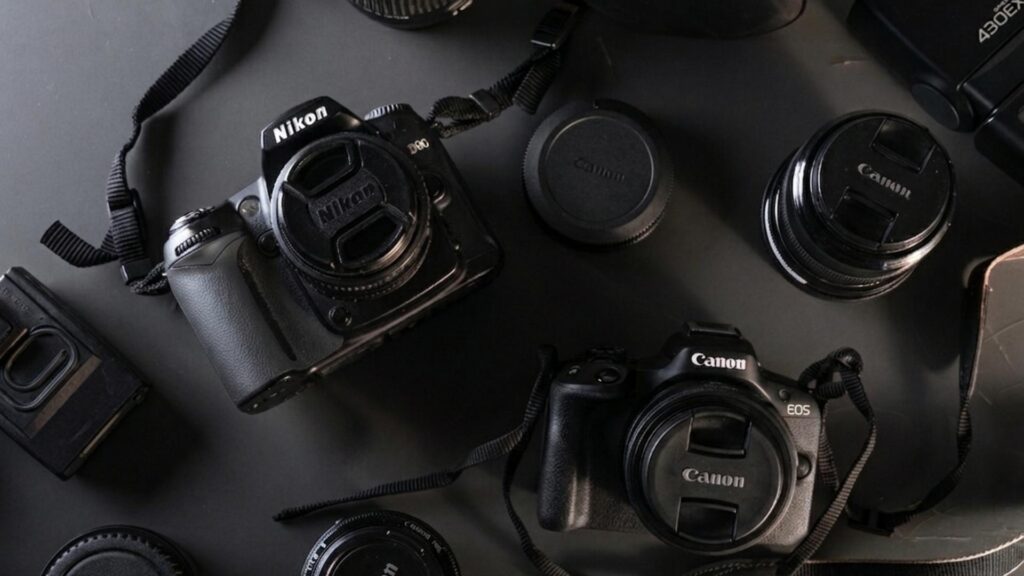
EQUIPMENT RECOMMENDATIONS
Suha Studio founder Danica Lukban shares her essential equipment reccomendations necessary for beginners.